You keep seeing “west of I-5” in Del Mar listings and chatter, but what does it actually mean for your search or sale? If you are weighing beachside living against budget, risk and rules, the shorthand can feel confusing. In this guide, you’ll learn what the phrase covers, why it influences price, what permits and hazards to consider, and how to approach due diligence. Let’s dive in.
What “west of I-5” means in Del Mar
“West of I-5” describes homes on the ocean side of Interstate 5 as it runs through Del Mar. The highway roughly parallels the coastline, so this strip is the closest to the beach, Del Mar Village and the Pacific. You will find beachfront and blufftop properties, low-rise residential streets and the village’s commercial core within walking distance of sand, restaurants and shops.
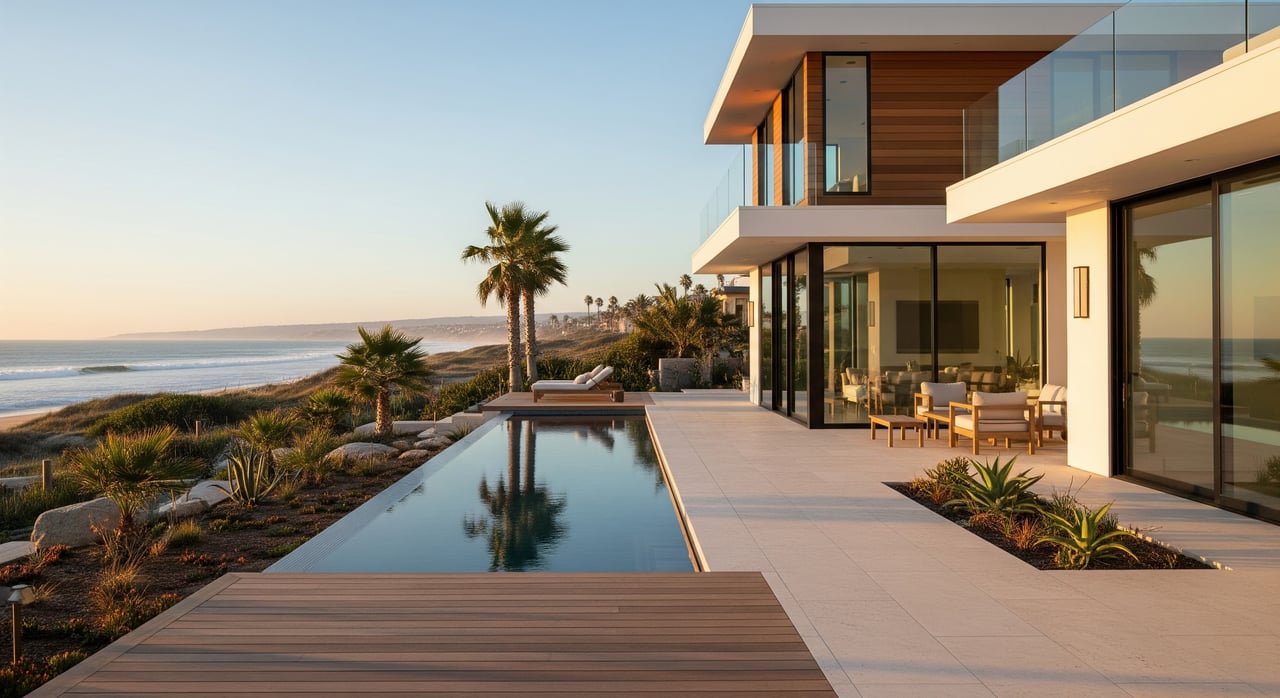
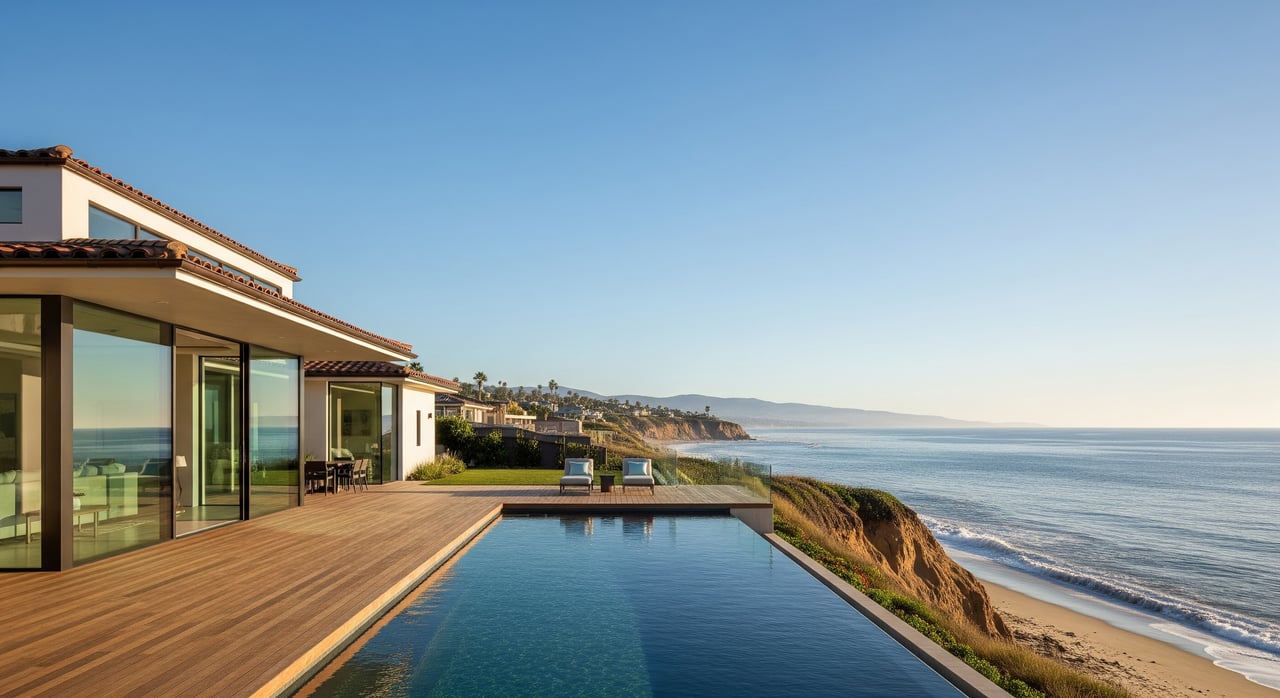
The area is narrow and highly built out. Parcels are often smaller than inland neighborhoods, and two homes west of I-5 can feel very different. A blufftop residence, a cottage near a public beach access and a condo in the village all share the label, yet offer distinct views, rules and risk profiles.
Why it commands a premium
Proximity and walkability
Living near the beach and village is a core draw. Shorter walks to the shoreline and amenities often increase demand. Many buyers value the daily lifestyle benefits and will prioritize this location.
Limited supply
The coastal band is tightly constrained by the ocean to the west and I-5 to the east. With limited new inventory, existing homes tend to hold value well. That scarcity typically supports higher pricing than inland areas of Del Mar.
Variety within the label
“West of I-5” covers condos, beach cottages, bluff homes and small multiunit buildings. Prices vary widely based on unit type, lot size, condition, view and proximity to beach access. The label signals coastal proximity, not a specific price point.
Key value drivers to evaluate
When you compare properties west of I-5, look closely at the details that move value up or down:
- Distance to the beach and public access points.
- Unobstructed ocean or bluff views, plus orientation. Southwest and west exposures are often prized.
- Walkability to Del Mar Village, shops and dining.
- Lot size and development potential, including remodel or rebuild paths.
- Height limits, setbacks and lot coverage rules that shape your buildable envelope.
- Whether the home sits on or near a coastal bluff, which affects reports, setbacks and long-term stability.
- Short-term rental potential when allowed. Local rules can limit transient occupancy.
For zoning, permits and local standards, start with the City of Del Mar’s official resources. You can explore planning, building and municipal code pages on the City of Del Mar website.
Rules and permits you should know
Del Mar’s coastline sits within California’s coastal regulatory framework. The California Coastal Commission guides statewide policy under the Coastal Act, while local cities implement certified Local Coastal Programs. Significant projects near the shoreline or on bluffs often require coastal development approvals in addition to local permits. Learn more from the California Coastal Commission.
The City of Del Mar reviews zoning, design and coastal development applications. Renovations, additions and rebuilds near bluffs can trigger extra steps such as geotechnical studies, design review and coastal permits. Permit timelines and documentation vary by zone and project scope, so it helps to review current guidance with the City of Del Mar Planning and Building.
Typical constraints include height limits, setbacks, lot coverage rules and village design standards. Bluff erosion setbacks and public access easements can limit improvements. Short-term rental rules also change over time, so check current ordinances with the city before you plan revenue assumptions.
Coastal hazards and insurance
Bluff erosion and flooding risk
Key hazards west of I-5 include bluff erosion and instability for blufftop locations, along with coastal flooding from high tides and storm surge on lower-lying sites. Sea level rise is expected to increase the frequency and reach of coastal inundation over coming decades. For planning-level context, review the NOAA Sea Level Rise Viewer and the Coastal Commission’s sea level rise guidance. Parcel-specific risk still depends on elevation, geology and any permitted coastal defenses.
Insurance and lender impacts
If a property lies in a mapped flood zone, your lender may require flood insurance. Even when it is not required, you may consider it. Premiums and availability can change over time, and lenders and appraisers may weigh hazard exposure in underwriting and valuation. Mitigation measures, such as bluff stabilization or shoreline protection, can be costly to build and are often limited by coastal rules.
Buying smart west of I-5
Before you write an offer, assemble a focused due diligence package. It can save time, money and stress.
Due diligence checklist
- Current title report and recorded easements, including any public access or utilities.
- Recent property survey and topography to understand bluff edge distance and flood elevations.
- Geotechnical and structural reports for blufftop sites, plus a history of any repairs.
- Zoning, design review and Coastal Development Permit history. Confirm any open code issues with the City of Del Mar.
- Insurance quotes for flood and wind, and any lender conditions tied to hazards.
- Comparable sales from the same coastal sub-area for realistic pricing and appraisal support.
- If short-term rentals matter to your plan, verify current rules and any business licensing with the city.
A clear picture of feasibility and risk will help you price with confidence and negotiate timelines that reflect permit or report needs.
Selling west of I-5
As a seller, lean into verified benefits and documentation. Highlight your distance to the beach and village, permitted uses and any known improvements. If you have recent geotechnical or structural reports, make them available to build buyer confidence.
Provide accurate disclosures about known hazards, prior bluff or erosion work and any permitting history. This upfront approach supports smoother escrows and stronger outcomes, especially for homes with unique site conditions.
Lifestyle and access highlights
Many buyers value the easy access to Del Mar’s beaches, village dining and regional connections. The coastal rail and regional bus network serve the corridor, which can simplify trips to nearby job centers and entertainment. For routes and schedules, explore the North County Transit District. Regional planning information about the I-5 corridor is available from SANDAG.
If car-free errands and sunset walks are part of your wish list, location within the west-of-5 band and proximity to beach access points can make day-to-day life feel effortless.
How Raini guides your coastal decision
West of I-5 is a powerful phrase, but every parcel tells its own story. You deserve advice that blends neighborhood nuance, coastal permitting know-how and thoughtful pricing. With more than two decades of local experience in Del Mar and a boutique, high-touch approach, Raini offers buyer representation, seller marketing, relocation assistance and consultative market analysis backed by Willis Allen’s institutional networks.
If you are comparing blufftop and village locations, weighing remodel options or preparing a premium listing, you will benefit from calm guidance, strong local relationships and refined marketing reach.
Ready to explore your options or request a tailored plan? Connect with Raini Gordy to start a confidential conversation.
FAQs
What does “west of I-5” mean in Del Mar real estate?
- It refers to properties on the ocean side of Interstate 5 in Del Mar, a narrow coastal band near the beach and village where homes often command a premium due to proximity and limited supply.
Does “west of I-5” guarantee an ocean view?
- No. Views depend on elevation, orientation and surrounding structures; some homes are beachfront or blufftop while others sit on lower streets without views.
Are permits harder for blufftop homes in Del Mar?
- Often, yes. Projects near coastal bluffs may require geotechnical reports, design review and Coastal Development Permits under local and state coastal rules; start with the City of Del Mar and the California Coastal Commission.
How does sea level rise affect coastal homes west of I-5?
- Rising tides and storm surge can increase coastal flood risk over time, especially for low-lying sites; review parcel context with the NOAA Sea Level Rise Viewer and local planning resources.
Will I need flood insurance if I buy west of I-5?
- Possibly. If the home is in a mapped flood zone, a lender may require it, and you might choose coverage even when not required based on site-specific risk and peace of mind.
Can I operate a short-term rental in a Del Mar home west of I-5?
- Local rules can limit short-term rentals; verify current ordinances and any licensing needs directly with the City of Del Mar.